Choosing an ODM eyewear manufacturer is a critical strategic decision. The right partner acts as an extension of your brand, turning designs into flawless products. The wrong choice can lead to delayed launches, quality disasters, and damaged reputation.
This guide provides a clear, four-step evaluation framework used by industry professionals. It moves beyond simple price comparisons to help you find a true partner for long-term success.
Step 1: The Pre-Screen — Filtering Potential Partners
Before you book a flight, thorough desk research can eliminate unsuitable options. This step saves significant time and resources.
First, examine credentials and reputation. Look for essential certifications like ISO 9001 for quality management. Also check for relevant market certifications (e.g., CE, FDA). A manufacturer’s website and industry presence clearly indicate whether they position themselves as a basic factory or a solutions-oriented partner.
Next, assess their specialization. You must match your needs with their expertise. Do they excel in precision titanium engineering, acetate craftsmanship, or high-volume TR90 production? Review their portfolio to see if their existing work aligns with your brand’s aesthetic, whether it’s luxury, fashion-forward, or athletic.
Finally, evaluate initial communication. Pay close attention to their response time, clarity, and how well they understand your brief. A partner who asks insightful questions at this stage often demonstrates better problem-solving skills later on.
Step 2: The Factory Visit — A Deep Dive into Capabilities
A physical visit is irreplaceable. Go with a detailed checklist to objectively assess both tangible and intangible factors.
Start with the “Hardware”: Facilities and Equipment
Tour the workshop and note its organization and cleanliness.
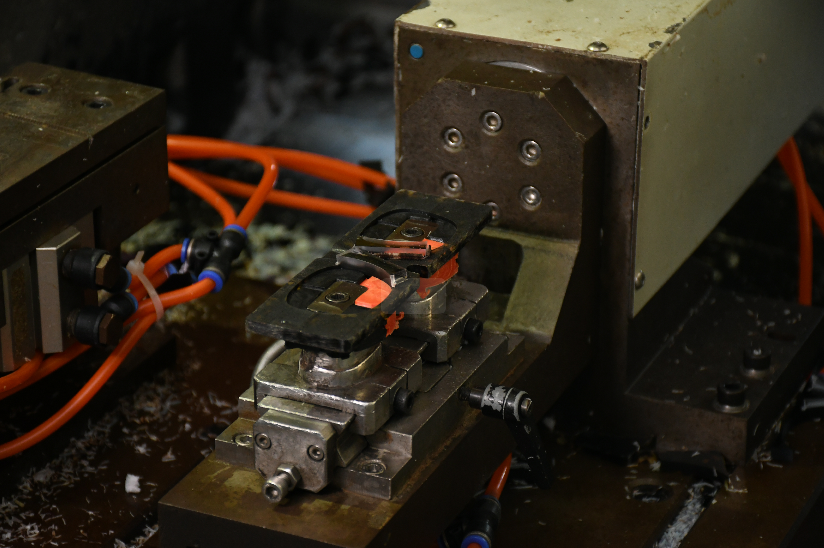
Identify key machinery for your product type, such as 5-axis CNC machines for precision cutting, laser welding for titanium, and PVD coating lines for durable colors.
Critically, inspect the quality control lab. Look for equipment like salt spray testers, hinge fatigue testers, and measurement projectors. Their presence indicates a commitment to verifiable standards.
Then, evaluate the “Software”: People and Processes
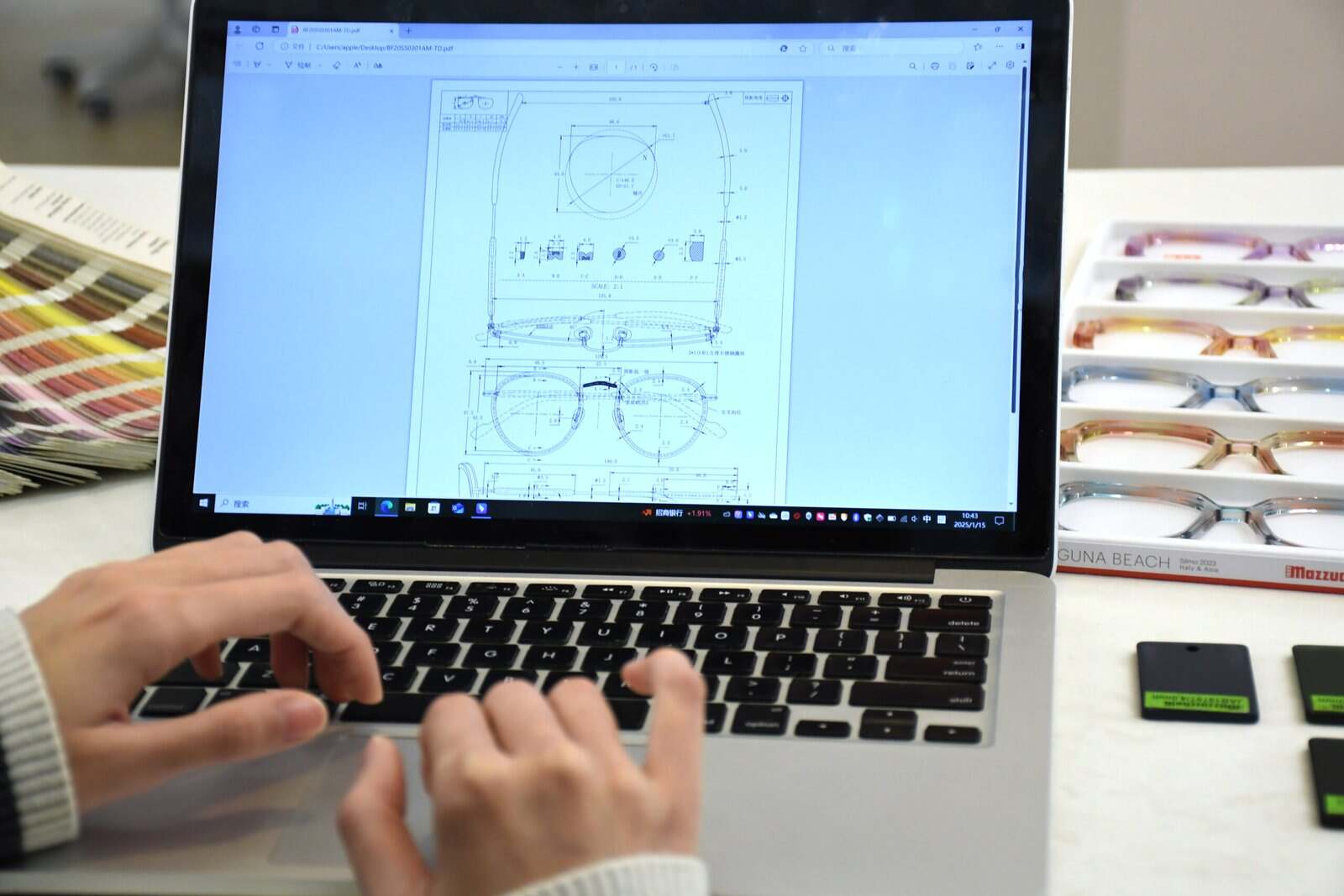
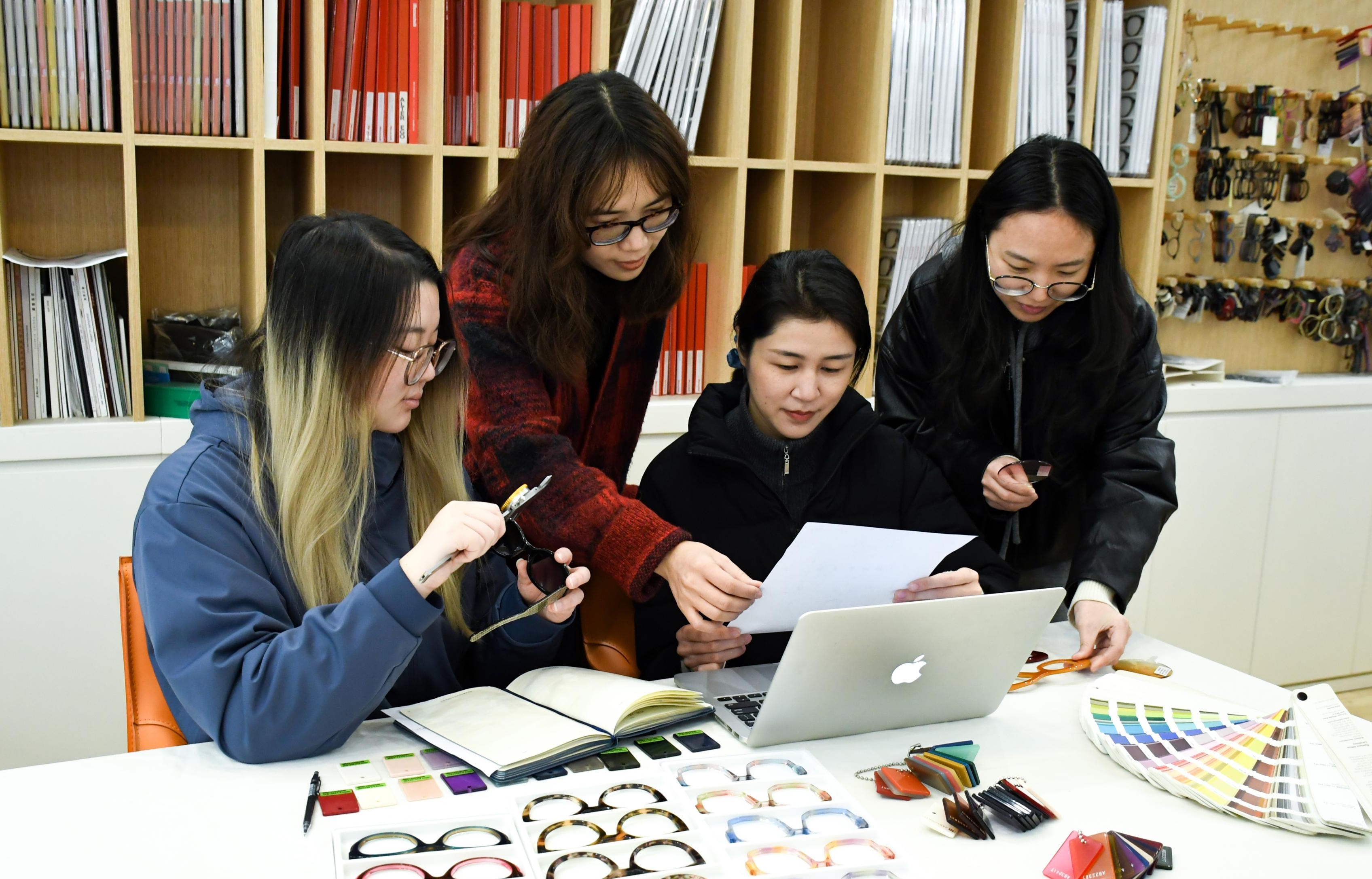
The R&D and sample room is the heart of ODM capability. Discuss their sample timeline, 3D modeling capacity, and ability to provide material advice.
Meet your potential project team. Gauge their expertise and collaborative spirit.
Discuss sustainability. Inquire about waste management, water recycling in plating, and options for eco-friendly materials.
Also, explore their “Ecosystem”: Supply Chain and Flexibility
Ask about their sources for key materials like titanium wire or acetate sheets. Stable supply chains prevent future production delays.
Understand their production flexibility. What is their Minimum Order Quantity (MOQ)? Can they handle small, frequent batches for testing the market?
Step 3: The Sample Stage — The Ultimate Proof
The sample is the physical proof of every promise made. Manage this phase meticulously.
Define clear evaluation criteria before samples arrive. Create a checklist covering:
Design Fidelity: Does it match the approved drawings in form and proportion?
Craftsmanship & Finish: Examine welding points, polish quality, and coating uniformity.
Fit and Feel: Test the weight, balance, and smoothness of the hinge movement.
Dimensional Accuracy: Use calipers to verify all critical measurements.
Establish a structured feedback loop. Provide a detailed report with photos, marking “Approved,” “To Be Revised,” and “Rejected” items. The manufacturer’s speed and accuracy in implementing your revisions are the best predictors of future production efficiency.
Finalize commercial terms based on the approved sample. Confirm the bulk unit price, payment terms, delivery schedule, and quality warranty. Ensure every detail is explicitly stated in the formal contract.
Step 4: Making Your Final Decision
Compile your findings from all previous stages. Shift your mindset from choosing a “vendor” to selecting a “partner.”
We recommend creating a simple scoring matrix. Assign weights to categories like Communication (20%), Technical Capability (30%), Quality Systems (25%), and Commercial Terms (25%). Then, rate each candidate.
Ultimately, ask yourself the key questions: Who truly understood our brand vision? Which team communicated with the most transparency and proactive problem-solving? Who offered the best overall value balancing quality, cost, and reliability?
Conclusion: Building a Partnership for Growth
Remember, selecting an ODM manufacturer is the beginning of a relationship. The goal is to find a collaborative partner you can trust for seasons to come. A manufacturer that invests in understanding your brand will become a invaluable asset, helping you innovate and build a strong product legacy.
By following this structured process, you move beyond price to make a confident, strategic decision that supports your brand’s future growth.