In today’s digital world, protecting your eyes from prolonged screen exposure is more important than ever. With constant interaction with screens—whether for work, leisure, or communication—eye health has become a growing concern. Digital eye protection isn’t just about blocking harmful rays; it’s about combining health benefits with personal style. This guide will explore the differences between blue light blocking glasses and anti-radiation glasses, their benefits, and how to choose a pair that fits both your lifestyle and fashion sense.
Why Eye Protection Matters in the Digital Age
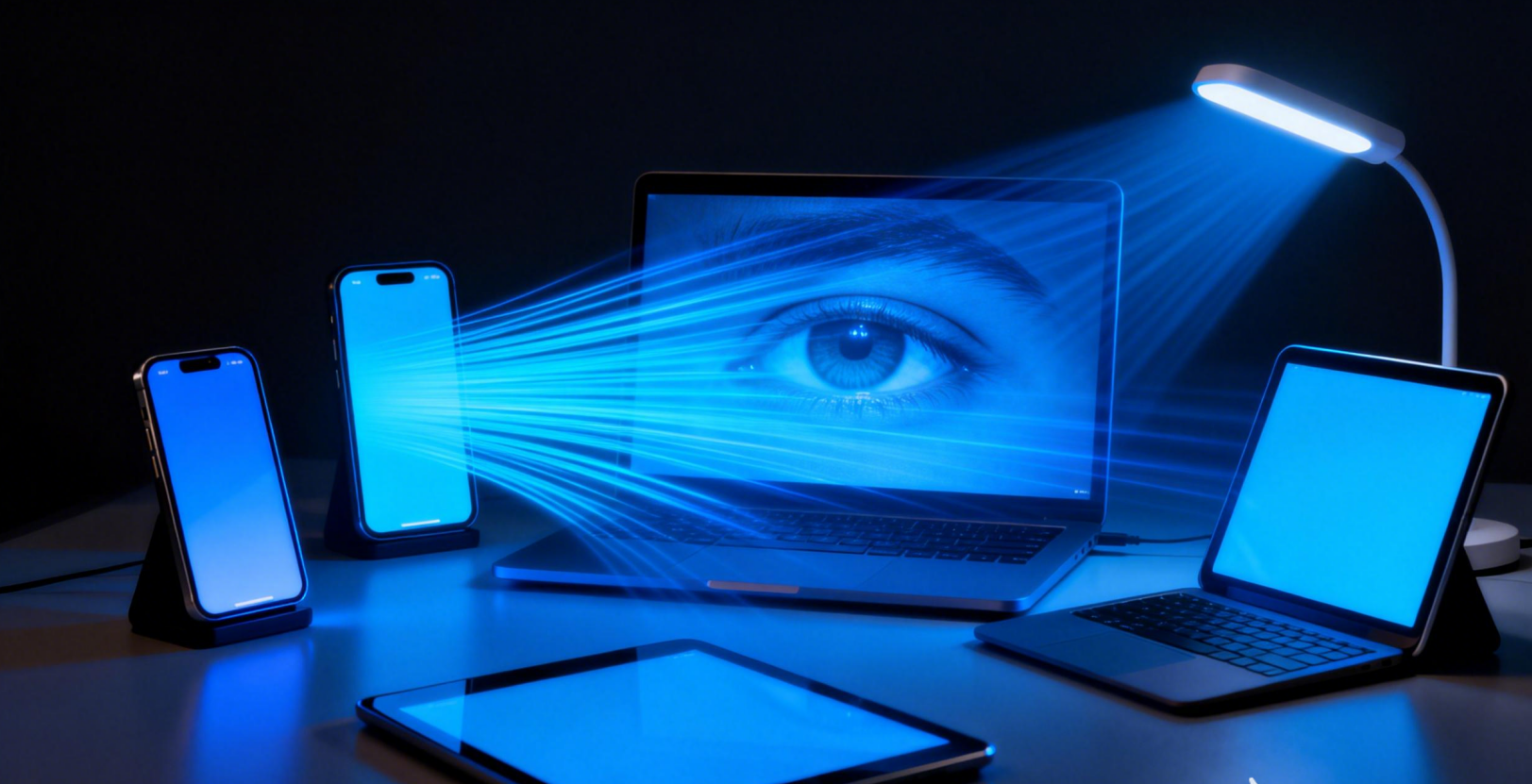
As we spend more time in front of digital screens, our eyes are subjected to new kinds of strain. The average person spends hours each day looking at screens—phones, computers, tablets, and even TVs—often without taking necessary breaks or adjusting the settings to protect their eyes. This constant exposure can lead to what is commonly known as Digital Eye Strain or Computer Vision Syndrome. Symptoms of eye strain can include dry eyes, blurred vision, headaches, and difficulty focusing. Additionally, blue light exposure, especially before bed, can interfere with sleep cycles. Protecting our eyes has become essential not just for comfort, but for long-term eye health.
How Screen Time Affects Your Eyes
When we stare at screens for prolonged periods, our eyes work overtime. The primary concern is the high-energy visible (HEV) blue light emitted by digital devices. This blue light is at a wavelength that is known to be harder for the eye to focus on. Consequently, the muscles around your eyes are overworked, causing strain. In addition to blue light, the close proximity of screens to our faces and the constant blinking-less nature of digital activities (like scrolling) contribute to eye dryness and fatigue. The result? A blurry vision, tired eyes, and, at times, a significant reduction in productivity.
Common Sources of Blue Light in Everyday Devices
Blue light is emitted from many devices we use daily. The most significant sources include:
- Smartphones and Tablets: With their bright, vibrant displays, these devices emit large amounts of blue light.
- Computers and Laptops: Whether at work or play, hours spent on a screen can lead to eye fatigue.
- LED Lighting: Modern light bulbs, commonly found in homes and offices, also contribute to blue light exposure.
- TVs and Gaming Consoles: The larger screens and high-definition quality enhance the amount of blue light reaching our eyes.
These sources, often used for hours on end, have contributed to the growing demand for protective eyewear solutions.
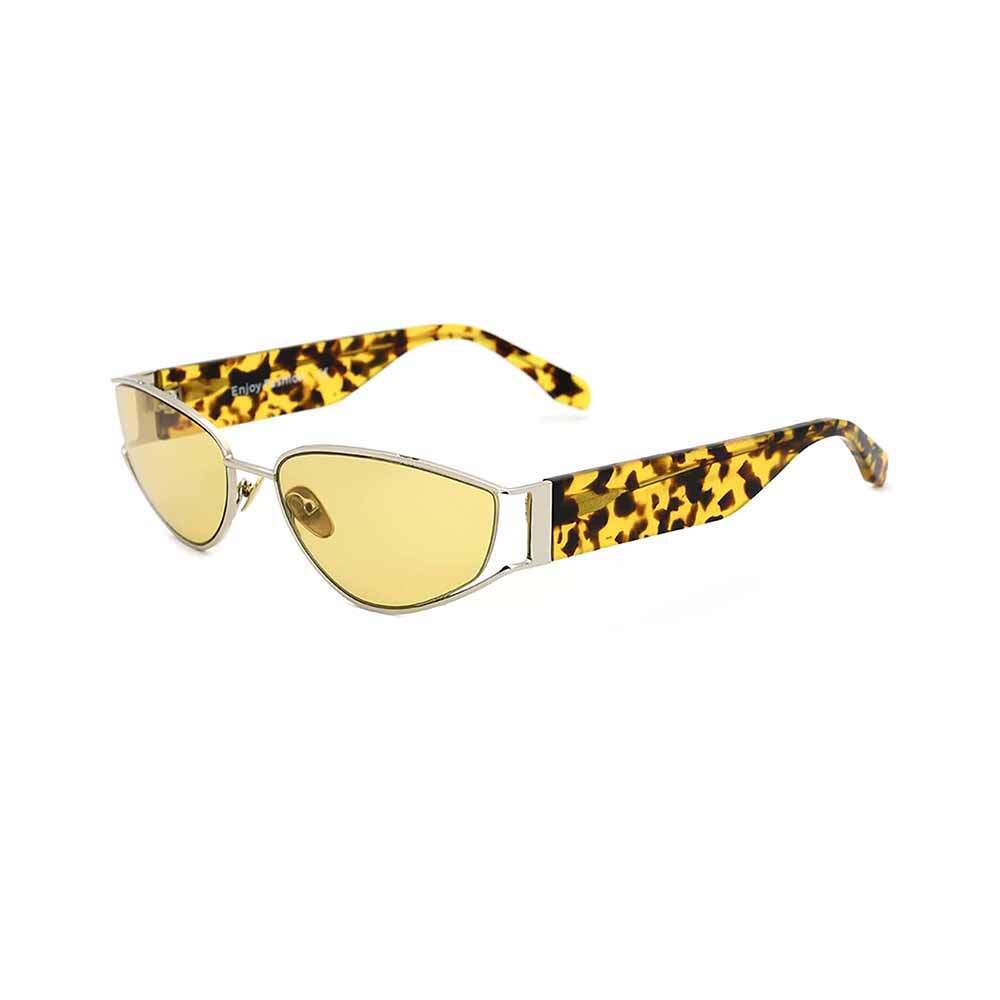
Choosing Glasses That Combine Health & Stylez:The right pair of glasses not only improves your eye health but also enhances your personal style. Whether you’re looking to reduce eye strain or enhance your sleep quality, there’s a variety of eyewear choices that suit different needs and preferences. Today’s eyewear is as much a fashion statement as it is a health tool. From sleek minimalist designs to bold, colorful frames, there’s a style for everyone. Choosing glasses that fit your lifestyle and aesthetic preferences is a way of merging practicality with self-expression.
Blue Light Glasses: The Truth Behind the Hype
There has been a surge of interest in blue light blocking glasses, with many companies promoting their benefits for reducing eye strain and improving sleep quality. But what exactly is blue light, and why does it matter for your eyes?
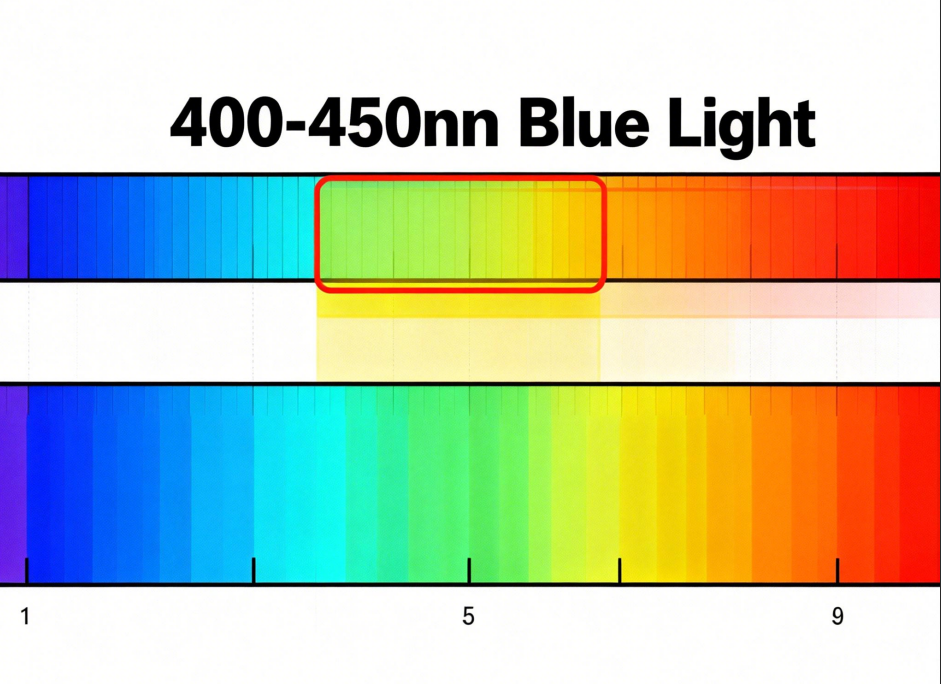
Blue light is a part of the visible light spectrum, with wavelengths ranging from 400 to 450 nanometers. It is high-energy light, which is why it has the potential to cause more strain on the eyes. While blue light can be beneficial—helping regulate sleep cycles and boosting alertness—excessive exposure, particularly in the evening, can lead to discomfort and sleep disturbances.
In the spectrum of visible light, blue light occupies the short-wavelength end. While other colors of light (like red, orange, or green) are less taxing on our eyes due to their longer wavelengths, blue light scatters more easily, making it harder for our eyes to focus on it. This scattered light can lead to eye fatigue and strain after prolonged exposure.
How Blue Light Glasses Work
Blue light glasses work by reducing the amount of blue light that reaches your eyes. There are different types of lenses designed for this purpose:
- Blue Light Blocking Lenses: These lenses have a special coating that reflects or absorbs a significant portion of blue light. They often have a yellow or amber tint, which enhances contrast and reduces the intensity of blue light.
- Blue Light Filtering Lenses: These lenses filter out a smaller portion of blue light and are usually clear or have a very subtle tint.
Think of these lenses as a type of sunscreen for your eyes—they’re designed to shield you from the digital rays that can cause discomfort over time.
Benefits and Limitations of Blue Light Glasses
Potential Benefits:
- Reduce Eye Strain: By filtering out blue light, these glasses can help reduce the strain caused by staring at screens for long periods.
- Improve Sleep Quality: Blue light, especially in the evening, can disrupt the production of melatonin, the hormone responsible for sleep. Blue light glasses can help mitigate this disruption, improving sleep quality.
- Reduce Headaches: Some individuals are particularly sensitive to blue light, leading to headaches or migraines. Wearing blue light blocking glasses can alleviate this discomfort.
Limitations:
- Scientific Research is Ongoing: While anecdotal evidence suggests benefits, scientific research on the long-term effects of blue light glasses is still in progress. Not everyone may experience the same level of improvement.
- Placebo Effect: For some, the improvements in comfort might stem from the placebo effect, where the belief that the glasses are working may create perceived benefits.
- Not a Substitute for Healthy Habits: Blue light glasses are not a replacement for good screen habits like taking regular breaks or adjusting screen brightness. Maintaining proper posture and reducing screen time are equally important.

Stylish Options for Blue Light Glasses
Blue light glasses come in a variety of frames and colors, allowing you to express your personal style. Some trendy options include:
- Y2K-Inspired Small Frames: Tiny, retro-style frames that are perfect for adding a vintage touch to your outfit.
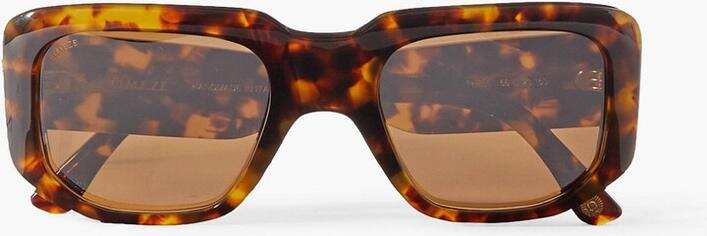
- Oversized Rectangular Styles: Bold and statement-making, these frames are great for those who want to stand out.
- Colorful Acetate Frames: Available in a wide range of colors, these frames can add a pop of vibrancy to your daily look.
- Cat-Eye Designs: Playful and fashionable, cat-eye glasses are a timeless design that adds a touch of sophistication to any look.
Anti-radiation glasses are marketed as a way to protect your eyes from the electromagnetic radiation emitted by screens. But what does the science say about these claims?
What “Radiation” Means for Screens
It’s important to understand that screens emit non-ionizing radiation, which is vastly different from the dangerous, high-energy ionizing radiation (like X-rays or UV rays) we often associate with harmful radiation. Non-ionizing radiation is harmless, and it does not have the energy to alter DNA or cause any direct health effects.Marketing vs. Science:Many anti-radiation glasses claim to block harmful electromagnetic radiation using metallic coatings or special materials. However, the scientific evidence supporting these claims is weak. While these glasses might reduce glare and improve visual comfort, the concept of “radiation protection” is more of a marketing tactic than a scientifically proven benefit.
Are Anti-Radiation Glasses Worth It?
- For Radiation Protection: Not necessary. Non-ionizing radiation from screens poses no known harm to human health.
- For Glare Reduction and Comfort: Anti-radiation glasses can be useful in reducing glare from screens, which can cause discomfort during prolonged use.
Anti-radiation glasses often feature trendy designs that are similar to blue light glasses. You can find them in a range of frames, from modern and minimalist to bold and oversized. Some even feature anti-glare coatings, which can help further reduce visual discomfort when using screens.
Use Case Scenarios: Which Glasses Fit Your Lifestyle?
Choosing the right glasses is about more than just eye protection; it’s about fitting your eyewear to your unique lifestyle. Here’s a look at some common scenarios:
- The Office Warrior: If you’re glued to a computer all day, blue light filtering lenses will help reduce strain. Classic rectangular frames in thin metal provide a professional look.
- The Gamer: Gaming sessions often extend for hours, making high-percentage blue light blocking lenses with photochromic options (lenses that darken in sunlight) ideal. Bold, colorful frames with adjustable nose pads add comfort for long sessions.
- The Casual Computer User / Social Media Addict: If your screen time is more casual but still frequent, moderate blue light filtering lenses with fashionable Y2K-inspired shapes can offer both protection and style.
- The Outdoor Techie: For those who like to blend their tech with outdoor activities, polarized and photochromic lenses are perfect for balancing screen use and environmental light.

Beyond Function: Style, Sustainability & Customization
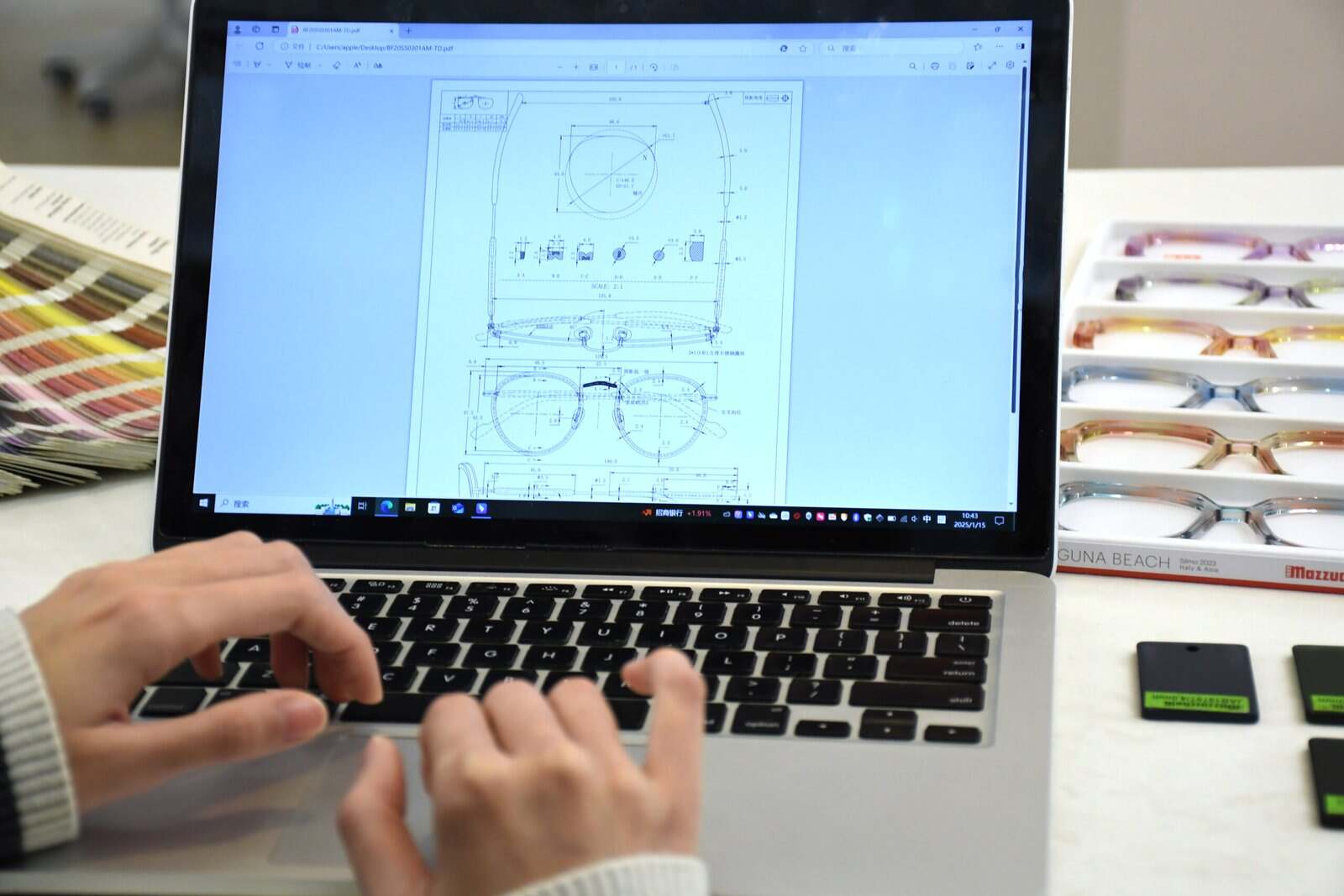
Modern eyewear is not just about performance—it’s also about making a statement. Sustainable frames made from materials like recycled plastics, bamboo, or bio-acetate (plant-based) are gaining popularity. These materials reduce environmental impact without sacrificing durability or comfort. Additionally, many eyewear brands now offer customizable frames—choose colors, lens tints, and even the option to 3D-print frames, offering you an even higher level of personalization.