Screens Are Everywhere — But What Are They Doing to Our Eyes?
From smartphones and laptops to tablets and gaming monitors, screens dominate modern life. For Gen Z, screen time isn’t optional — it’s how we study, work, socialize, and relax. But with this constant exposure comes growing concern about eye strain, fatigue, and long-term eye health.This is where blue light glasses and so-called anti-radiation glasses enter the conversation. Both are heavily marketed online, often used interchangeably, and sometimes misunderstood. Are they the same thing? Do they actually work? And which one do you really need?This guide breaks down the differences clearly, without hype, so you can make an informed choice that fits your lifestyle.
What Is Blue Light and Why Does It Matter?
Blue light is a high-energy visible light emitted by digital screens, LED lighting, and even the sun. During daytime exposure, blue light helps regulate our circadian rhythm and keeps us alert. The problem begins when exposure continues for long hours, especially at night.Excessive blue light from screens can contribute to digital eye strain. Symptoms often include dry eyes, blurred vision, headaches, and difficulty focusing after prolonged screen use. Some studies also suggest that nighttime blue light exposure may interfere with sleep quality by suppressing melatonin production.For Gen Z, who often spend 8–12 hours a day on screens, blue light exposure is a daily reality rather than a rare concern.

Blue Light vs. Anti-Radiation: The Real Difference
Blue light glasses are designed with lenses that filter or block a portion of blue light emitted from digital screens. These lenses usually have a subtle clear or slightly yellow tint, though many modern versions appear nearly transparent.The goal of blue light glasses is not to block all blue light, but to reduce the most irritating wavelengths that contribute to eye strain and visual fatigue. They are especially popular among students, office workers, gamers, and content creators.Blue light glasses are typically worn indoors and are optimized for screen-heavy environments rather than outdoor use.Many users report reduced eye fatigue, less dryness, and improved comfort when using blue light glasses during long screen sessions. While they are not a medical treatment, they can be a practical tool for digital wellness.It’s important to understand that blue light glasses don’t improve vision or cure eye conditions. Instead, they function as a comfort-enhancing accessory, similar to ergonomic chairs or screen brightness adjustments.For Gen Z, the appeal lies in their simplicity. You don’t need to change habits drastically — you just put them on and keep scrolling, studying, or gaming with less discomfort.
Anti-radiation glasses are often marketed as protection against electromagnetic radiation from electronic devices. This term became popular years ago when concerns about screen radiation were widespread.In reality, modern digital devices emit extremely low levels of non-ionizing radiation, which is considered harmless by current scientific standards. There is no strong evidence that special glasses are needed to block this type of radiation.Most glasses sold as “anti-radiation” today are essentially blue light glasses under a different name, often using outdated or misleading terminology.
In practice, there is very little difference between blue light glasses and anti-radiation glasses sold in today’s market. Blue light protection is the actual functional feature, while “anti-radiation” is mainly a marketing label.If a pair of glasses claims to protect against radiation but does not clearly state blue light filtering percentages, lens technology, or testing standards, it’s worth being cautious.For Gen Z consumers who value transparency and functionality, blue light glasses with clear specifications are the safer choice.
Style Matters Too: Why Gen Z Cares About Design
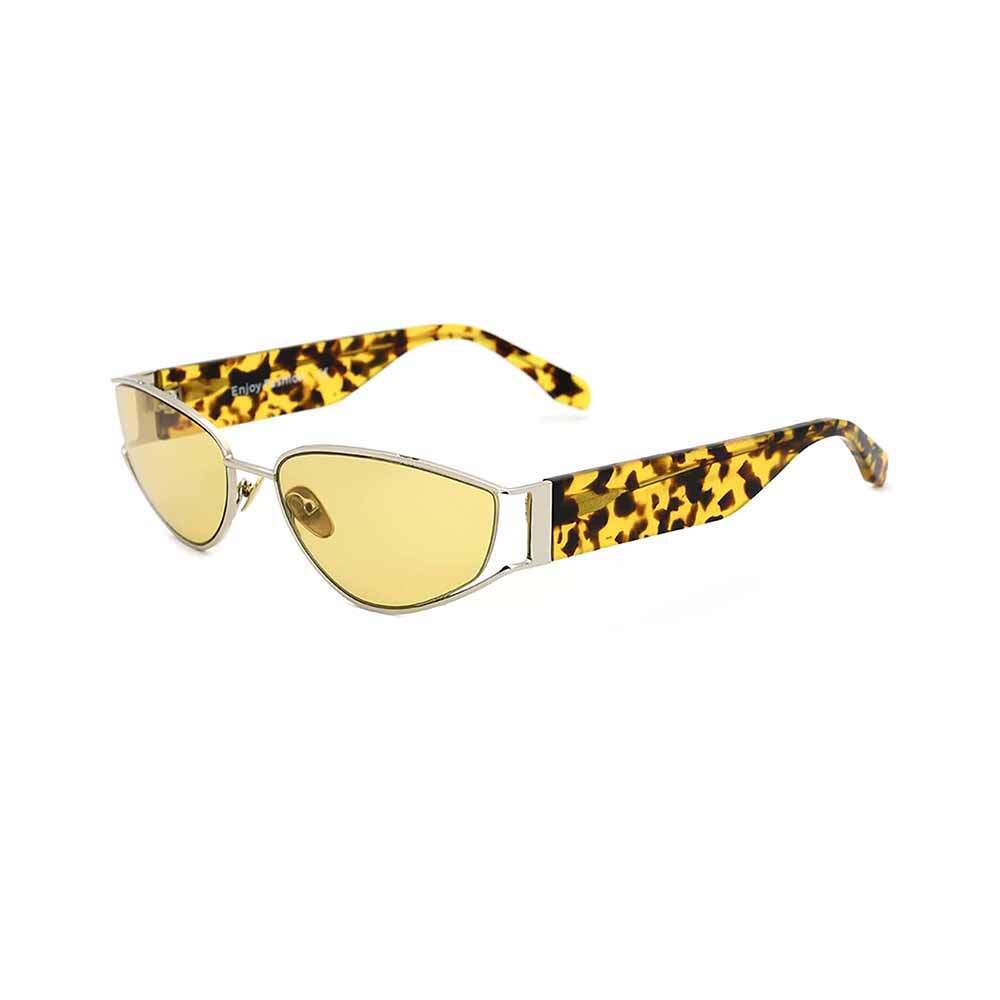
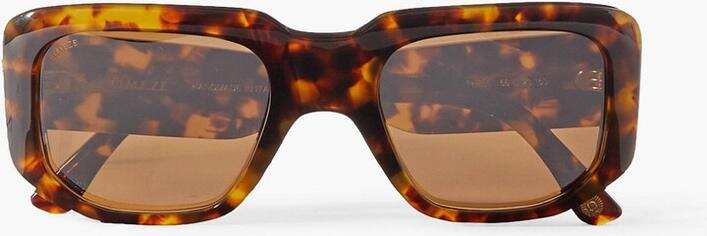
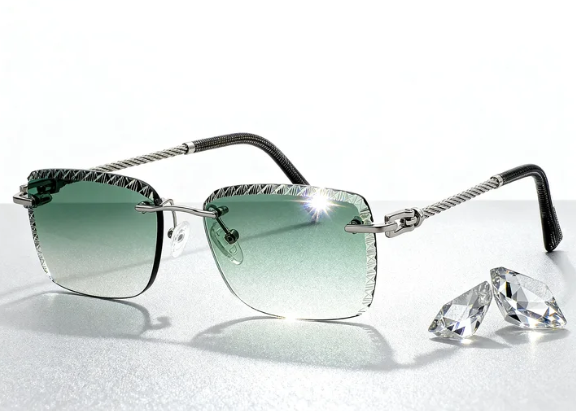
Eye protection alone isn’t enough. Gen Z expects eyewear to look good on camera, in real life, and across different outfits. Blue light glasses have evolved far beyond bulky, medical-looking frames.Today’s designs include thin metal frames, thick acetate styles, transparent frames, and retro silhouettes inspired by Y2K and minimalist trends. Many are designed to be worn all day, even when not looking at screens.This blend of function and fashion is a key reason blue light glasses have become a lifestyle accessory rather than just a tool.
When Should You Wear Blue Light Glasses?
Blue light glasses are most useful during extended screen sessions, especially in low-light environments or at night. They are ideal for studying, working late, gaming, or binge-watching content before bed.They are not necessary for outdoor use or short screen interactions. Many users keep them as a dedicated pair for work or home rather than all-day wear.Using blue light glasses alongside good habits — like taking screen breaks and adjusting display settings — provides the best overall results.When selecting blue light glasses, look for clear information about blue light filtering levels, lens quality, and optical clarity. Comfort, lightweight materials, and proper fit are just as important as protection.Avoid vague claims about radiation shielding without scientific backing. Transparency and realistic benefits matter more than exaggerated promises.For Gen Z consumers, the best glasses are the ones that fit seamlessly into daily life without feeling like a compromise.
Final Thoughts: Smart Protection for a Digital Generation
Blue light glasses are not a miracle solution, but they are a practical response to modern screen habits. Compared to so-called anti-radiation glasses, they offer clearer purpose, better transparency, and more relevant benefits.As screens continue to shape how we live and work, protecting eye comfort becomes part of self-care. Choosing the right eyewear is about balance — comfort, style, and realistic expectations.For Gen Z, eye protection isn’t about fear. It’s about awareness, functionality, and staying comfortable in a digital-first world.