Eyewear today is no longer just about correcting vision. For modern consumers, frames represent personal style, lifestyle choices, and even values. Whether you are inspired by influencer looks, attracted to advanced lens technology, or looking for more sustainable fashion options, the material of your frames plays a crucial role. Among all choices, acetate and injection molded frames are the two most common—and most misunderstood.This guide will help you clearly understand the differences between acetate and injection molded eyewear, so you can choose frames that truly match your brand positioning, customer needs, or personal style. From aesthetics and comfort to durability and sustainability, we break it all down in a practical, easy-to-follow way.
What Is Acetate Eyewear?
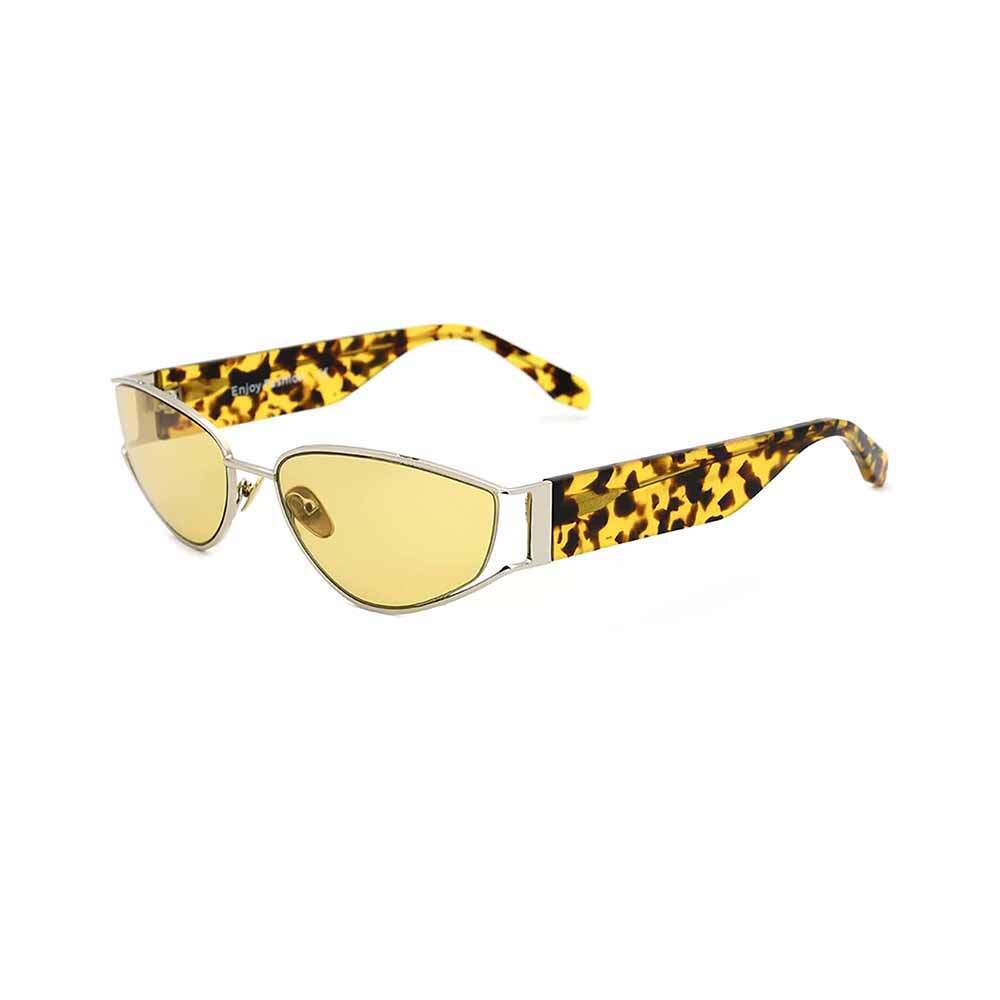
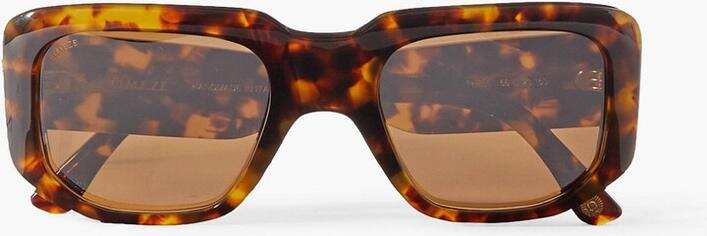
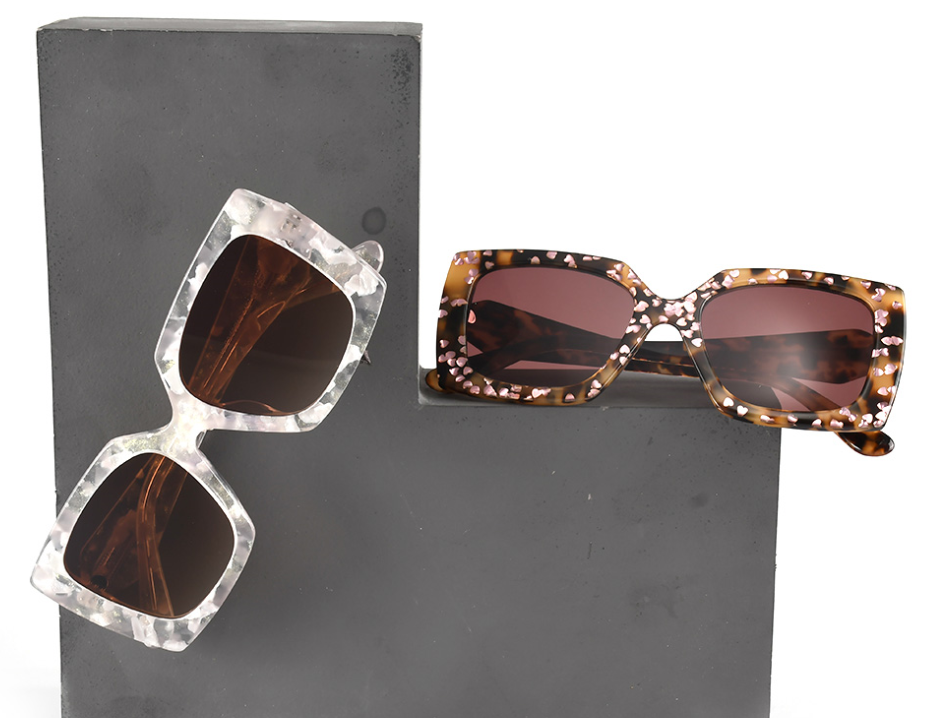
Acetate, also known as cellulose acetate, is a plant-based material derived from cotton fibers or wood pulp. Unlike ordinary plastic, acetate sheets are carefully layered, cut, and polished to create eyewear frames with depth, richness, and a premium feel. This traditional manufacturing process allows for a high level of craftsmanship and detail.One of acetate’s biggest advantages is its visual depth. Colors appear richer and more dimensional, making it ideal for tortoiseshell patterns, transparent hues, and bold fashion-forward designs. Because acetate is cut from solid sheets, each frame can have subtle variations, giving it a more artisanal, high-end character.From a comfort perspective, acetate is naturally warm to the touch and adapts well to facial contours. It is often preferred for optical frames and statement sunglasses where comfort and appearance matter equally.
What Are Injection Molded Frames?
Injection molded frames are made by injecting melted plastic—commonly TR90, nylon, or polycarbonate—into a precision mold. Once cooled, the frame is released in a fully formed shape. This process is highly efficient and ideal for large-scale production.Compared to acetate, injection molded frames are usually lighter and more flexible. They are especially popular in sports eyewear, kids’ glasses, and budget-friendly fashion frames. Because molds are reused, consistency is very high, making them suitable for brands that require uniformity across large orders.However, injection molded frames typically lack the visual depth of acetate. Colors tend to be flatter, and the surface finish is more uniform. While modern techniques have improved appearance significantly, they still lean toward a more functional, casual look.
Style & Influencer Appeal: Which One Wins?
If your brand or customers are driven by influencer trends and fashion aesthetics, acetate frames often take the lead. Oversized silhouettes, vintage-inspired designs, and bold color combinations are easier to achieve with acetate. This is why acetate dominates in fashion editorials, influencer content, and premium eyewear collections.Injection molded frames, on the other hand, align better with sporty, minimalist, or tech-focused styles. They are commonly seen in athleisure-inspired eyewear, outdoor brands, and everyday casual frames. Influencers focused on fitness, travel, or lifestyle practicality often prefer these frames for their lightweight feel.Ultimately, the choice depends on your brand story. Acetate speaks to fashion and individuality, while injection molded frames communicate performance and accessibility.
Comfort, Fit, and Daily Wear
Comfort is a major deciding factor for eyewear, especially for all-day use. Acetate frames are slightly heavier, but they offer excellent balance and can be adjusted easily by opticians. The material sits comfortably on the nose and ears, making it ideal for prescription glasses.Injection molded frames excel in lightweight comfort. They are flexible, resistant to impact, and less likely to cause pressure during long wear. This makes them perfect for children, sports users, and customers who prioritize comfort over aesthetics.For daily office wear or fashion use, acetate often feels more premium. For movement-heavy lifestyles, injection molded frames offer practical advantages.
Sustainability: A Growing Priority
Sustainability has become a key concern in eyewear purchasing decisions. Traditional acetate is partially bio-based, but modern developments have introduced bio-acetate, which replaces petroleum-based plasticizers with plant-based alternatives. This significantly reduces environmental impact while maintaining performance and aesthetics.Injection molded frames can also be sustainable, depending on the material used. Some manufacturers now offer recycled TR90 or eco-nylon options. However, sustainability varies widely by supplier, and not all injection molded frames are eco-friendly by default.For brands positioning themselves as environmentally conscious, bio-acetate currently offers a clearer sustainability story and stronger marketing value.

Cost & Market Positioning
Injection molded frames generally have a lower unit cost, making them ideal for entry-level markets, promotional eyewear, or fast-fashion collections. The efficient production process allows brands to scale quickly with controlled budgets.Acetate frames typically sit at a higher price point due to material cost and labor-intensive manufacturing. However, they also support higher retail pricing and stronger perceived value. For mid-to-high-end brands, acetate frames often deliver better margins and brand recognition.Choosing the right material depends on whether your goal is volume-driven sales or long-term brand building.
Final Verdict: Which Frame Material Is Right for You?
There is no one-size-fits-all answer. Acetate frames are ideal for brands and consumers who value fashion, craftsmanship, influencer appeal, and premium aesthetics. Injection molded frames are best for those prioritizing lightweight comfort, durability, and cost efficiency.The perfect eyewear collection often includes both. By understanding the strengths of each material, you can create a balanced lineup that meets diverse customer needs while staying aligned with modern trends and sustainability goals.