Building an eyewear brand always starts with a vision.
You know the styles you want to create, the audience you want to reach,and the feeling your frames should communicate the moment someone puts them on.But turning that vision into real, sellable eyewear is where many brands struggle.Choosing the right manufacturing model is one of the most important decisions
you’ll make in the early stages of brand development.OEM and ODM are two common paths in eyewear manufacturing,and understanding the difference between them can save you time, money,and costly mistakes down the line.The eyewear market is fast-moving and trend-driven.
Brands today are balancing aesthetics, technology, sustainability,and personalization all at once.Without the right production strategy, even a strong brand conceptcan fail to convert into products that actually sell.

The Trends Driving Modern Eyewear Brands
Today’s eyewear consumers, especially those aged 25–34,are digitally native, trend-aware, and highly selective.They don’t just buy glasses for vision correction anymore.Eyewear is a fashion statement, a lifestyle signal,and increasingly, a reflection of personal values.Several key trends are shaping how eyewear brands design and source products.Influencers and bloggers play a major role in defining what’s “in,”especially on platforms like Instagram and TikTok.
Lens technology has also become a baseline expectation,with photochromic, polarized, blue-light, and anti-scratch coatingsnow seen as standard rather than premium extras.At the same time, Y2K-inspired styles have made a strong comeback.
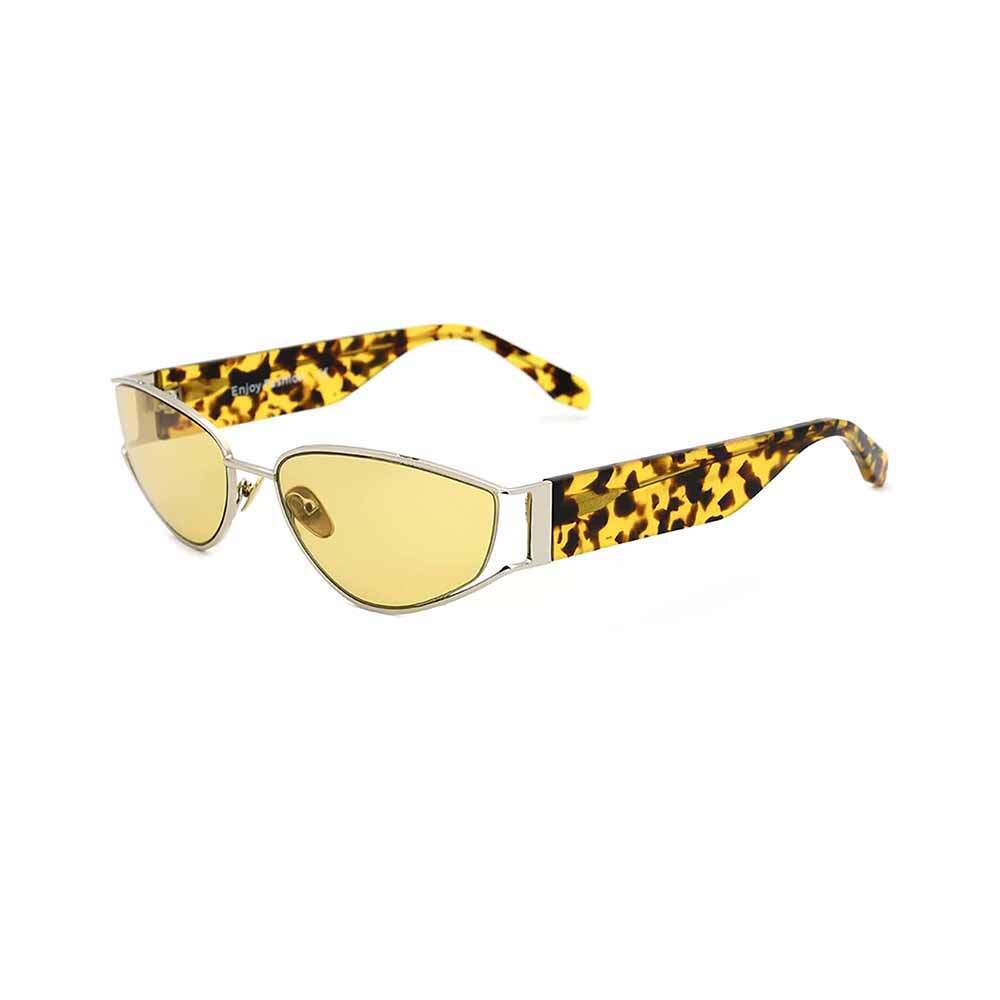
Slim rectangles, cat-eye frames, bold colors, and playful shapes are dominating new collections.Sustainability is no longer optional either.Consumers are actively looking for bio-based acetates, recycled materials,and brands that take responsibility for their environmental impact.Personalization is another major driver.
From color variations to interchangeable parts,people want eyewear that feels uniquely theirs.All of these trends directly influence whether OEM or ODM is the better manufacturing model for your brand.
OEM vs. ODM: What Do They Really Mean?
OEM and ODM are often mentioned together,but they serve very different purposes in eyewear manufacturing.The choice between them depends largely onhow developed your designs are and how much control you want.In simple terms, OEM is design-led by the brand,while ODM is design-led by the manufacturer.Both models can produce high-quality eyewear,but they support different stages of brand growth.
OEM Eyewear: Your Design, Executed by the Factory
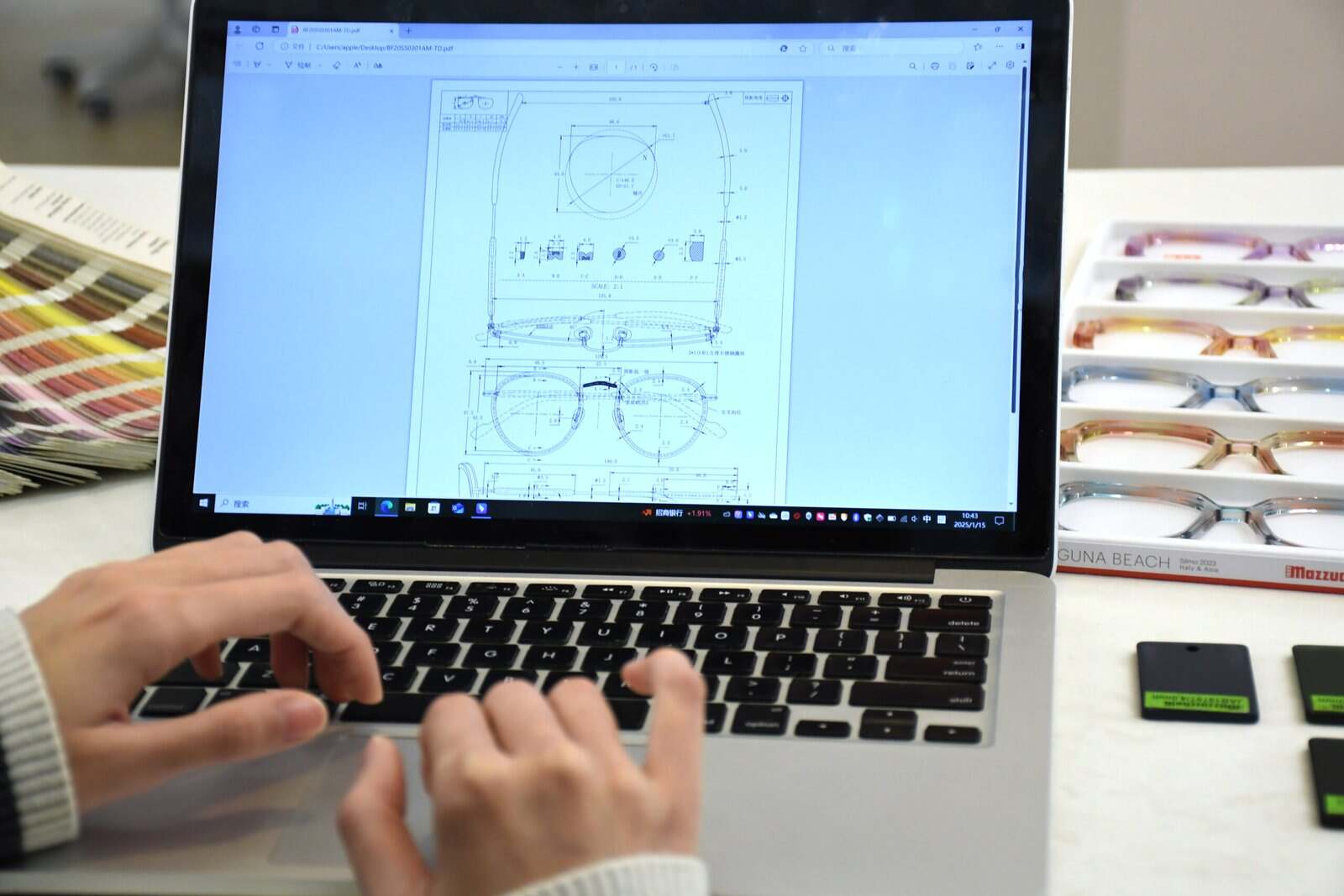
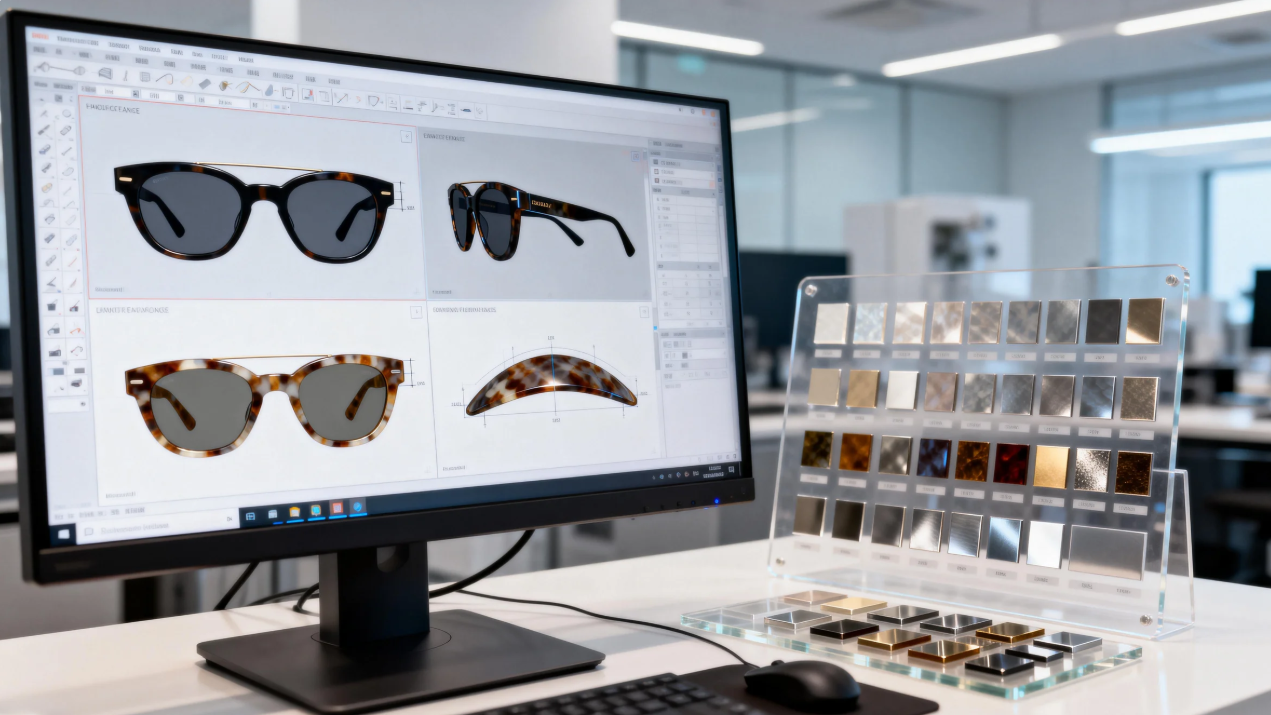
OEM stands for Original Equipment Manufacturer.In an OEM model, the brand provides the complete design specifications.This includes frame shape, materials, colors, logo placement,and all technical details related to production.The factory’s role is to manufacture the eyewear exactly as specified.You retain full creative ownership and control over the final product.OEM works best when you already have a clear design directionand want to ensure consistency across your collections.This model is commonly used by established brands
or designers with in-house design capabilities.It allows you to build a strong, recognizable brand identitywithout compromising on creative vision.One of the biggest advantages of OEM is flexibility.You can choose premium acetate, titanium, stainless steel,or sustainable bio-based materials depending on your positioning.You also control the level of detail, finishing quality,and overall product differentiation.However, OEM typically requires more upfront effort.You are responsible for design development,and sampling may take longer if designs are complex.For brands that value originality and long-term identity,OEM is often the preferred route.
ODM Eyewear: Ready-Made Designs, Faster to Market
ODM stands for Original Design Manufacturer.In an ODM model, the factory provides pre-designed eyewear styles.The brand selects from existing designsand customizes elements such as colors, materials, and logos.ODM is ideal for brands that want to launch quicklyor do not yet have in-house design resources.Because the designs already exist,sampling and production timelines are significantly shorter.This model is especially popular with startups,private-label brands, and trend-driven collections.It allows brands to respond quickly to market demandand test new styles with lower development costs.While ODM offers less creative control than OEM,it reduces risk and simplifies the development process.Factories often base ODM designs on proven bestsellers,which can increase the chances of commercial success.ODM is also useful for seasonal or experimental launches.Brands can focus on marketing and saleswhile relying on the factory’s design expertise
to keep products aligned with current trends.OEM or ODM: Which One Is Right for Your Brand?
Choosing between OEM and ODM depends on your brand’s goals,resources, and stage of development.If your priority is originality, brand storytelling,and long-term differentiation, OEM offers unmatched control.If speed, cost efficiency, and flexibility matter more,ODM can help you enter the market quicklywithout heavy upfront investment in design.Many successful eyewear brands actually use both models.OEM is often used for core collections that define the brand,while ODM supports trend-driven or entry-level lines.The right strategy is not about choosing one forever,but knowing when and how to use each effectively.
Final Thoughts
OEM and ODM are not just manufacturing terms.They are strategic tools that shape how your eyewear brand grows.Understanding the difference allows you to align productionwith your creative vision, market positioning, and business goals.Whether you choose OEM, ODM, or a combination of both,the key is working with a manufacturing partnerwho understands eyewear, trends, and quality expectations.When production and brand vision are aligned,great designs turn into eyewear that truly sells.