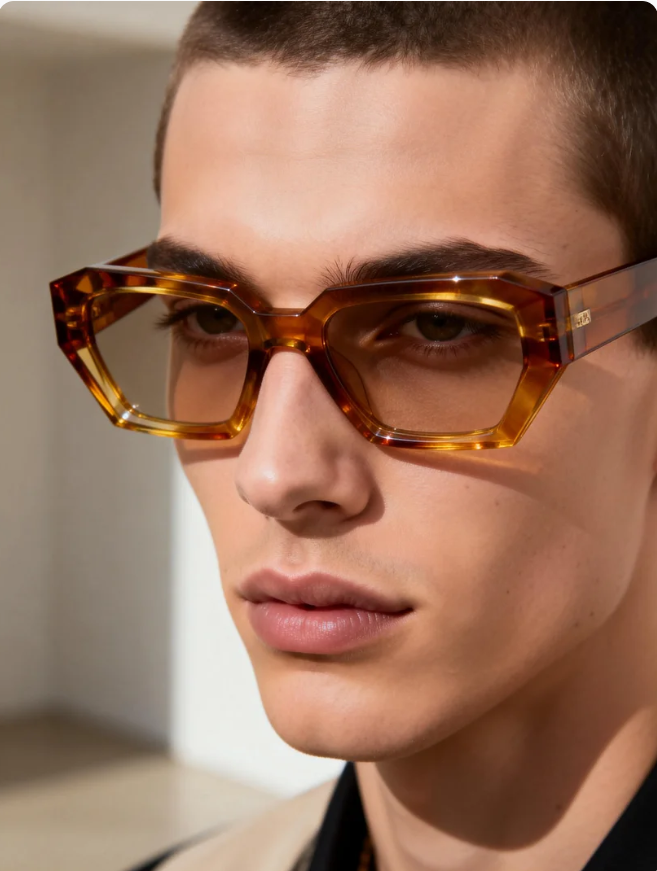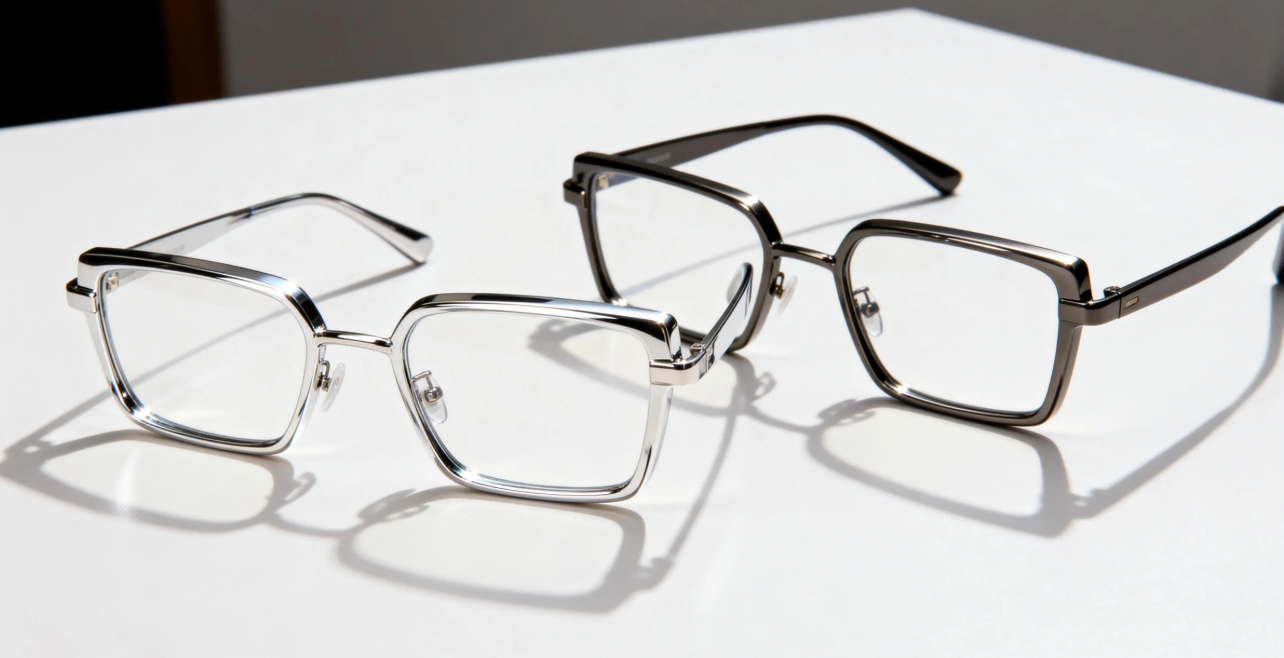
Creating a standout eyewear line starts with vision, but turning that idea into a sellable product requires structure and the right partners. Many eyewear founders know exactly what frames, lenses, and colors they want, yet struggle when it comes to execution. Design collaboration is often where ideas either come to life or quietly fall apart. Miscommunication, unclear specs, and slow feedback loops can easily derail even the best concepts. At the same time, eyewear trends evolve quickly, pushing brands to react faster than ever. Without a clear collaboration system, speed often comes at the cost of quality. This is why mastering design collaboration is essential for modern eyewear brands. When done right, collaboration becomes a competitive advantage rather than a bottleneck.
One of the most common challenges in eyewear development is misalignment between brand and manufacturer. Small misunderstandings can result in incorrect frame proportions, unexpected lens colors, or unsuitable materials. These issues usually surface late in the process, increasing costs and delaying launches. For trend-driven eyewear brands, timing is everything. A design that arrives late may already feel outdated by the time it hits the market. Manufacturers also vary in how quickly they adapt to new styles and materials. Choosing the wrong partner can limit creativity instead of supporting it. A strong collaboration framework reduces these risks and keeps projects moving forward smoothly.
This guide is designed to help eyewear brands streamline design collaboration while staying aligned with 2024 eyewear trends. It breaks down each stage of the process into clear, manageable steps. From concept development to prototyping, every phase benefits from better communication and clearer documentation. Whether you are launching your first eyewear collection or scaling an existing brand, the principles remain the same. Efficient collaboration saves time, reduces errors, and improves final product quality. It also allows brands to respond faster to trend shifts. With the right approach, design collaboration becomes a growth tool rather than a stress point.
At Brilliant Vision, we work closely with brands to simplify the eyewear development process. Our collaboration framework is built around clarity, speed, and consistency. We support brands from early concept discussions through final production. Services include design assistance, material sourcing, prototyping, and quality control. By aligning expectations early, we help avoid costly revisions later. Our goal is to turn creative ideas into reliable, market-ready products. Design collaboration should feel exciting, not overwhelming.
Understanding Your Eyewear Obsession: The Trends Driving Design
The eyewear industry is shaped by fashion cycles, consumer behavior, and rapid technological progress. To design products that resonate, brands must understand not only what trends are popular, but why they matter. In 2024, eyewear trends focus on visibility, functionality, sustainability, and personalization. Social media accelerates trend adoption and shortens product lifecycles. Brands that track these shifts gain a clear advantage. Trend awareness also influences material selection and production timelines. A trend-informed design process leads to stronger commercial results.
Trend 1: Influencer Approved – The “Seen It, Want It, Get It” Effect
Influencer-driven eyewear trends continue to shape consumer demand. Styles seen on social media often convert directly into purchasing decisions. Consumers trust influencers as style curators and trend validators. This creates pressure for brands to move quickly from inspiration to production. Delays can mean missing peak demand windows. Successful brands build flexible design workflows to react faster. Collaboration with agile manufacturers is essential in this environment. Speed and accuracy now define competitive eyewear development.Rather than copying influencer styles, brands must understand what makes them appealing. Frame shape, lens color, and overall styling all play a role. By identifying these elements, brands can reinterpret trends through their own identity. This approach avoids legal and creative risks while staying relevant. A strong manufacturer partnership helps translate these insights into production-ready designs. Trend-driven eyewear succeeds when originality meets speed.
Trend 2: Tech-Forward Vision – Beyond the Basic Lens
Modern eyewear is expected to deliver performance as well as style. Consumers increasingly demand advanced lens technology in everyday frames. Features such as polarized lenses, photochromic transitions, and blue-light filtering are now standard expectations. These technologies enhance comfort, clarity, and eye protection. As a result, lens specifications must be communicated precisely during collaboration. Technical misunderstandings can compromise product performance. Clear documentation is critical for success.
Material selection also plays a key role in tech-forward eyewear. Polycarbonate, nylon, and titanium are commonly used for durability and comfort. Coatings such as anti-scratch and anti-reflective further enhance value. Brands must balance innovation with manufacturability. Early technical discussions prevent late-stage revisions. When design and engineering align, tech-enhanced eyewear becomes a strong selling point.
Trend 3: Y2K Is Back – Bold Shapes and Retro Energy
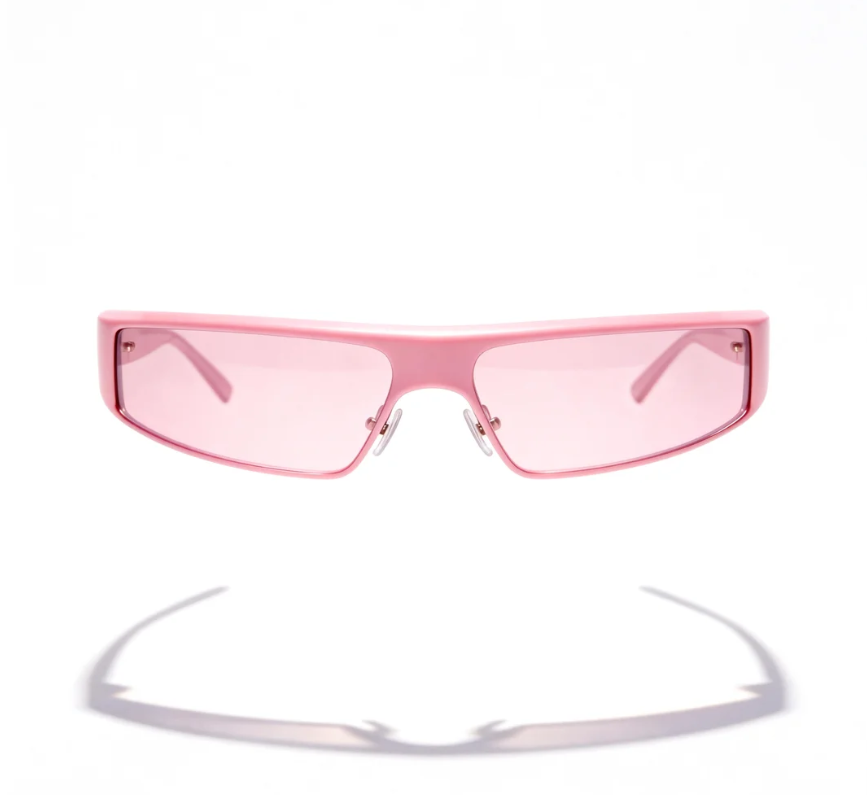
Y2K eyewear continues to dominate fashion-driven collections. Oversized frames, narrow silhouettes, and vibrant colors define this aesthetic. Gradient lenses and metal accents add a nostalgic edge. While playful, Y2K design requires precision. Small differences in curvature or color tone can change the entire look. Brands must communicate aesthetic details clearly to manufacturers. Visual references help align expectations.
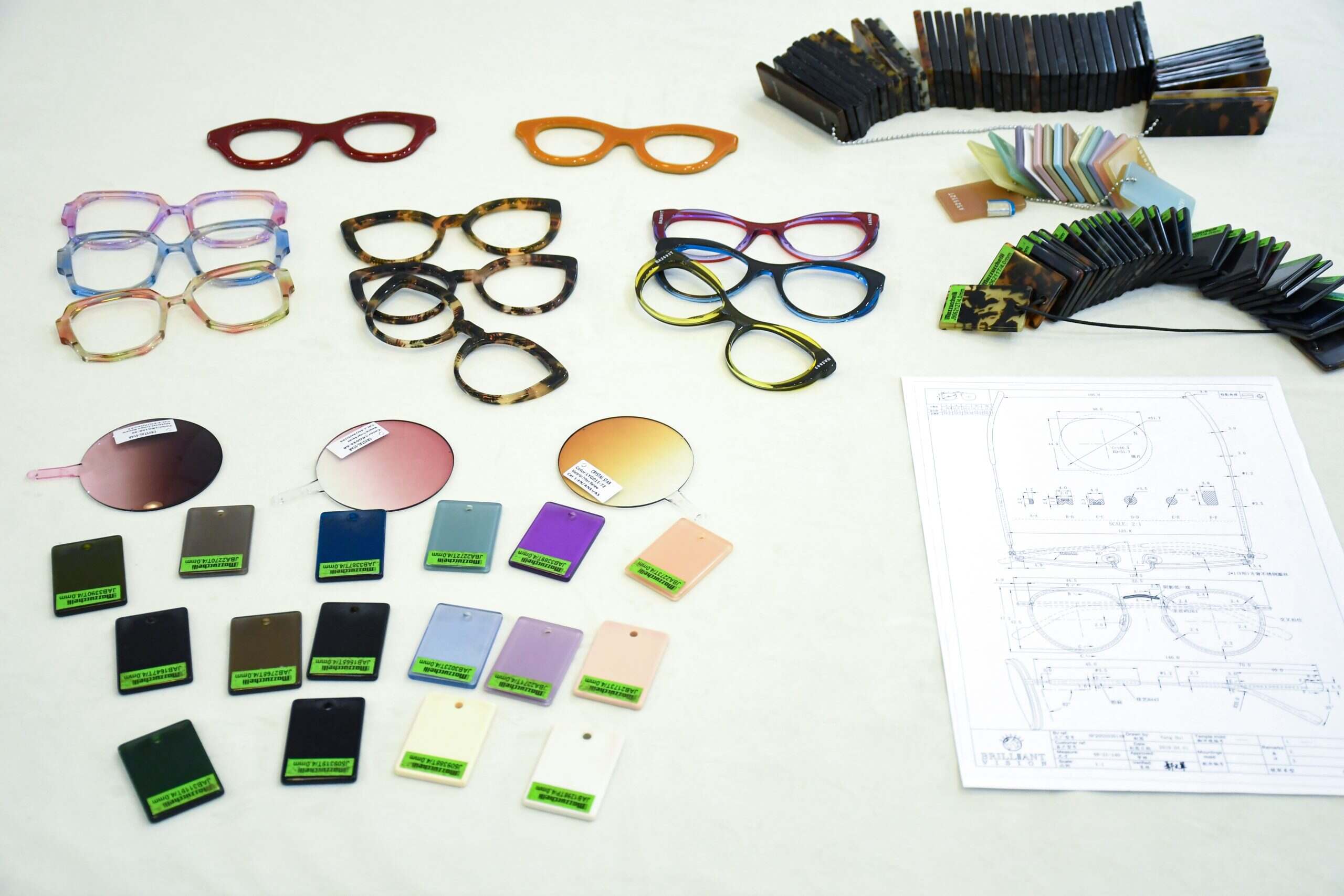
Providing accurate color references is especially important for Y2K designs. Pantone codes reduce inconsistencies across batches. Lens gradient direction and depth should be clearly defined. Mood boards help translate abstract inspiration into concrete specifications. Attention to detail ensures authenticity. When executed correctly, Y2K eyewear delivers both trend relevance and commercial appeal.
Trend 4: Eco-Chic Frames – Sustainable Style
Sustainability is now a key purchasing factor for eyewear consumers. Eco-conscious buyers seek frames made from recycled or bio-based materials. Recycled plastics and bio-acetate are increasingly popular choices. These materials reduce environmental impact while maintaining durability. Brands must verify material certifications to ensure credibility. Transparency builds trust with modern consumers.
Manufacturing processes also influence sustainability claims. Waste reduction, energy efficiency, and responsible sourcing matter. Brands should discuss sustainability goals early with manufacturers. Clear communication avoids greenwashing risks. Sustainable eyewear is not just a trend, but a long-term strategy. Collaboration plays a crucial role in achieving both ethical and aesthetic goals.
Trend 5: Customization and Modularity – Your Frame, Your Rules
Customization reflects the growing demand for individuality. Modular eyewear allows users to personalize frames, lenses, and components. This approach increases perceived value and customer engagement. However, modular design adds technical complexity. Interchangeable parts must fit precisely. Tolerances become more critical than in standard designs.Clear specifications are essential for modular eyewear success. CAD files and assembly instructions must be accurate. Manufacturers need early input to assess feasibility. Product configurators help visualize options for customers. Strong collaboration ensures customization enhances, rather than complicates, the product experience.