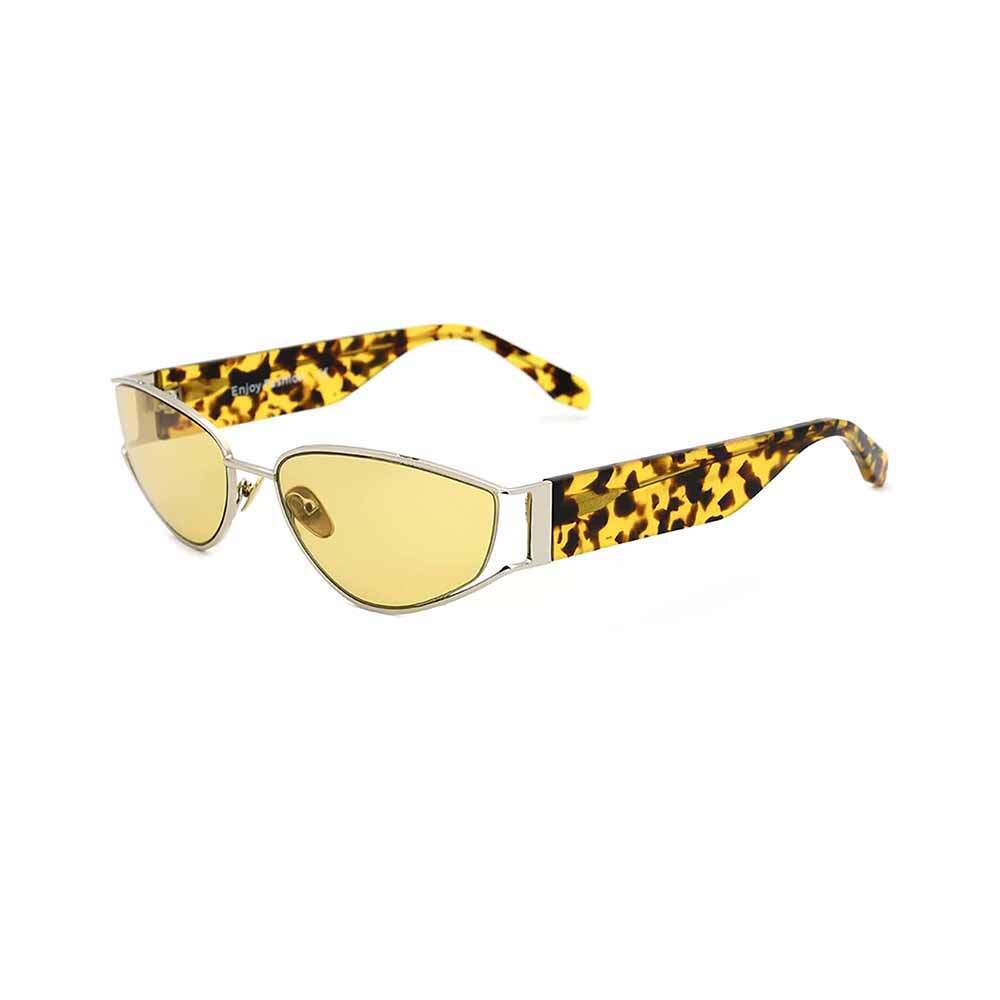
 When eyewear brands develop new collections, many focus first on materials, colors, or surface finishes. From a manufacturing perspective, however, the most successful eyewear collections follow a different logic:
Frame shape is the foundation of every strong collection.
After working with independent, fashion-driven, and private-label eyewear brands, we see consistent patterns in collections that achieve better sell-through and clearer market positioning.
Why Frame Shape Matters in Eyewear Collection Planning
Most consumers do not shop for eyewear based on production details.
Instead, they choose frames based on:
- face suitability
- comfort
- visual balance

This makes frame shape the first decision filter in the buying process.
Materials, colors, and technical details support the decision but they come later.
When collections are not structured around shape, customers may feel overwhelmed or confused, leading to lower conversion rates.
The Six Core Frame Shapes in Eyewear Collections
A well-planned eyewear collection includes a balanced mix of core and fashion-driven shapes.
Each plays a specific role.
1) Rectangle Frames
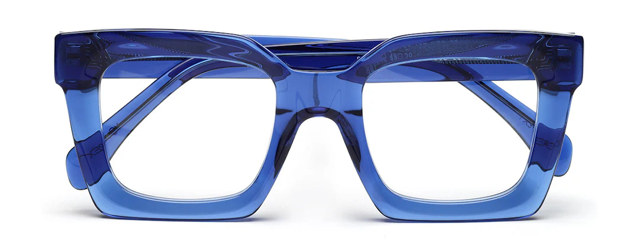
Rectangular frames are the commercial base of most collections. They perform consistently in optical, suit men’s and unisex lines well, and usually deliver reliable sell-through. plan rectangular shapes as the largest group in the collection, typically around 30–40%, to secure volume and continuity.
2) Oval Frames
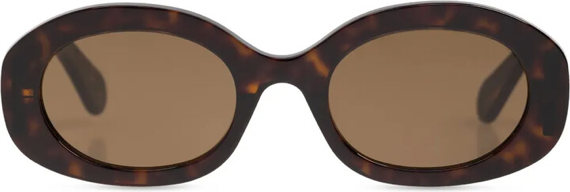
Oval frames are the safe bridge between classic and fashion. They fit a wide range of faces, feel softer than rectangles, and tend to work especially well in mixed and Asian markets. Include oval frames as a supporting category, usually 15–20% of the collection, to improve accessibility and market coverage.
3) Round Frames
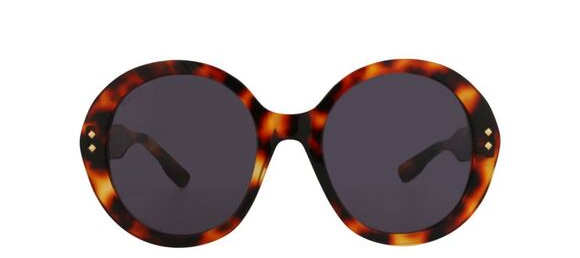
Round frames are often used to express brand identity. They create a clear style signal, but proportion and sizing matter more here, so development should be more precise. Limit round frames to 10–15% of the collection and use them to reinforce brand character rather than drive volume.
4) Cat-Eye Frames
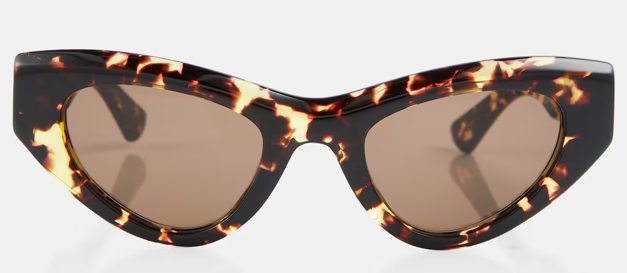
Cat-eye frames are a strong fashion driver in female collections. They support storytelling and seasonal drops, especially in sunglasses, and often contribute higher margins. Allocate 10–15% of female collections to cat-eye shapes and treat them as style-led, not volume-led, models.
5) Geometric frames
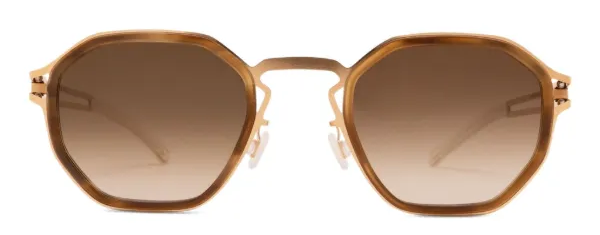
Geometric frames are statement pieces designed for visibility. They work best in smaller quantities for look books, social media, and trade shows rather than volume sales. Keep geometric frames to a maximum of 5–10% and use them strategically for brand visibility.
6) Aviator frames
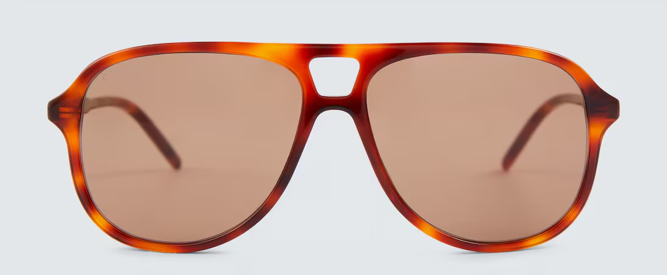
Aviator frames are an iconic category, mainly for sunglasses. They are widely recognized and competitive, so differentiation usually comes from fit, detailing, and finishing. Include aviators as a core reference in sunglasses collections, while limiting their use in optical unless the design is clearly differentiated.
7) Vintage Frames
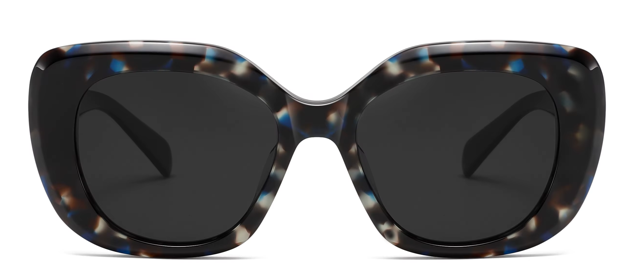
Vintage frames are rooted in classic proportions and familiar silhouettes. They appeal to consumers looking for authenticity, timeless style, and heritage-inspired design, especially in optical and acetate collections. Plan vintage shapes as a controlled category, typically around 5–10%, to add emotional value without increasing commercial risk.
8) Wayfarer Frames
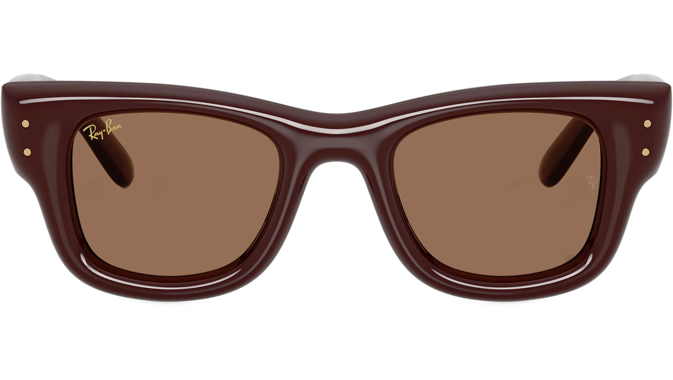
Wayfarer frames are a modern classic with broad market recognition. They balance fashion and commercial performance well, particularly in sunglasses, and offer stable demand when well-executed. Plan wayfarer shapes as a core reference in sunglasses collections, while keeping optical versions limited unless clearly differentiated.
9) Oversized Frames
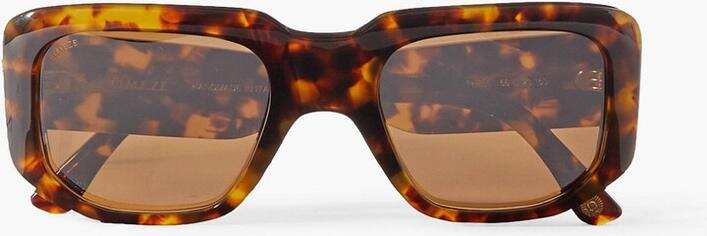
Oversized frames are fashion-driven shapes designed for visual impact and trend relevance. They perform best in seasonal drops and sunglasses, where bold proportions support storytelling rather than volume. Plan oversized shapes in limited quantities, around 5–10%, to create attention without affecting overall sell-through.
Example of a Balanced Eyewear Collection
Rectangle: 4 models
Oval: 4 models
Round: 3 models
Cat-eye: 3 models
Geometric: 4 models
Aviator: 3 models
Vintage: 3 models
Wayfarer: 4 models
Oversized: 3 models
This structure balances sales potential, branding, and production efficiency.
Develop Depth After Shape Selection
Once shapes are defined, collections can scale efficiently through:
- size variations
- thickness options
- bridge design adjustments
- core and seasonal color programs
This allows brands to grow collections without increasing complexity.
What This Means for Your Collection
Successful eyewear collections are built on clear structural logic.
Planning by frame shape first helps brands improve sell-through, simplify production, and communicate their identity more clearly to the market.