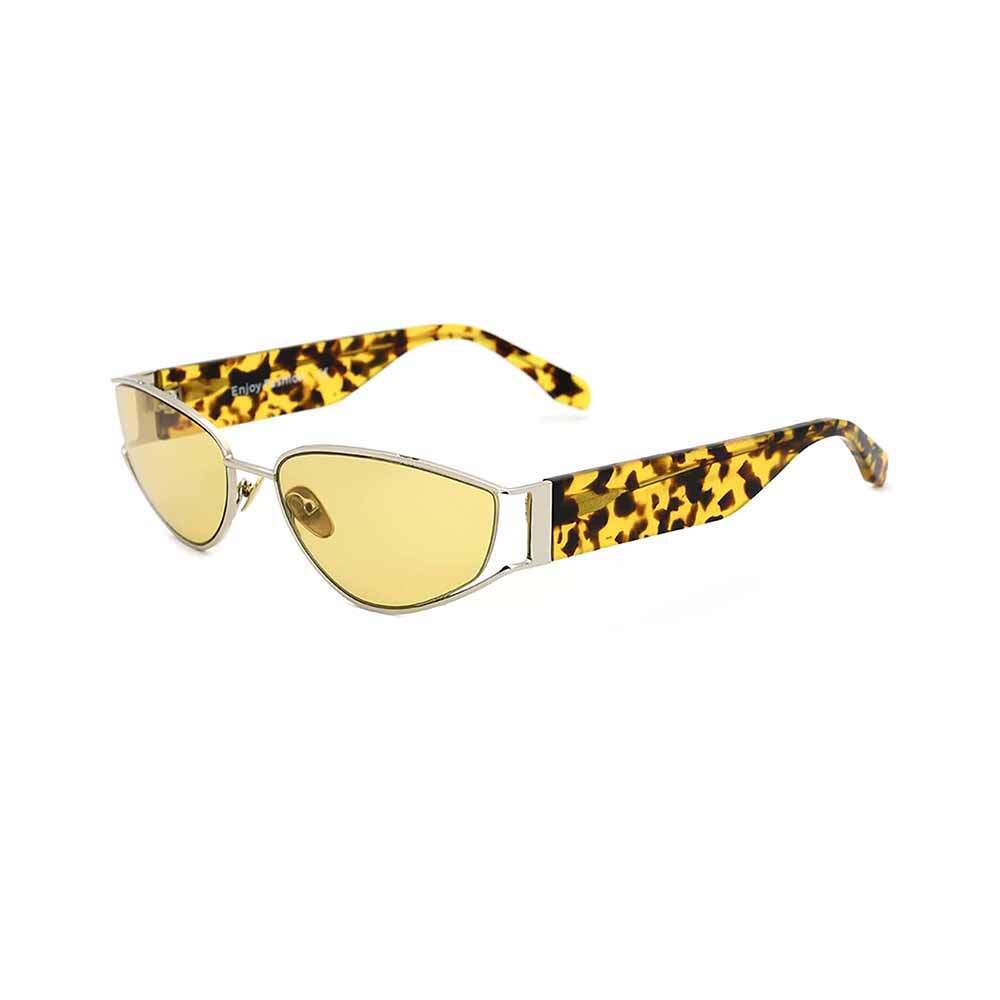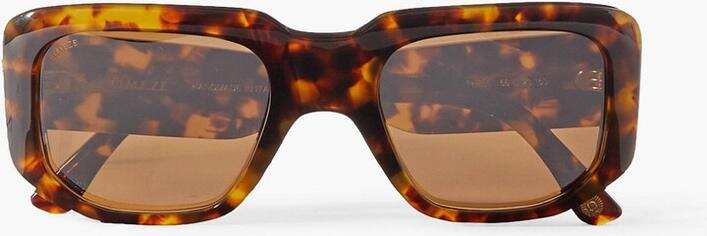

Polarized sunglasses are having a major moment. From Kendall Jenner’s sleek cat-eye frames to Bella Hadid’s oversized rectangles, sunglasses are no longer just accessories — they’re a statement. But beyond style, sunglasses should protect your eyes and improve how you see the world.
In this guide, we break down what polarized lenses are, how they work, and most importantly, are polarized sunglasses worth it? Let’s find out.
Sunglasses Are More Than an Accessory: Style, UV Protection & Vision
Modern sunglasses blend fashion with function. While bold colors and metal details dominate trends, proper UV protection and glare reduction are what truly elevate eyewear.
Polarized sunglasses go beyond aesthetics by enhancing visual clarity and reducing eye strain.
What Are Polarized Lenses? The Technology Behind Polarization
Polarization may sound technical, but the concept is simple. Glare occurs when sunlight reflects off flat surfaces like water, roads, or snow. This reflected light travels horizontally
and causes discomfort and reduced visibility.
Polarized lenses use a special chemical filter that blocks this horizontal light while allowing vertical light to pass through. The result is sharper vision, better contrast, and significantly less glare.
Polarized vs Non-Polarized Sunglasses: What’s the Difference?
When comparing polarized vs non polarized sunglasses, the difference is immediately noticeable. Non-polarized lenses simply darken everything, while polarized lenses
actively remove reflected glare.
This means clearer road visibility when driving, improved detail near water, and more accurate color perception in bright outdoor environments.
Debunking Common Myths About Polarized Sunglasses
A common misconception is that polarized sunglasses block all light. In reality, they only block glare-causing horizontal light. Another myth is that they are only useful for water activities — in fact, they work just as well on roads, snow, and urban surfaces.
Polarized Sunglasses Benefits in Real Life
Polarized Sunglasses for Driving
Driving glare from wet roads, dashboards, and other vehicles can be dangerous. Polarized sunglasses for driving reduce reflections, improve contrast, and help drivers react faster.
Polarized Sunglasses for Water Sports
Water reflects sunlight intensely. Polarized lenses for water sports eliminate surface glare, allowing clearer views beneath the water — ideal for fishing,
surfing, and boating.
Polarized Lenses for Snow & Winter Sports
Snow glare can flatten terrain and hide hazards. Polarized lenses enhance depth perception and contrast, making skiing and snowboarding safer and more enjoyable.
Polarized Sunglasses for Everyday Use
Even daily activities like walking, commuting, or sitting outdoors benefit from reduced glare. Polarized sunglasses for everyday use improve comfort and reduce eye fatigue.
Style Meets Function: Polarized Sunglasses Today
Polarized lenses are available in virtually every frame style — aviators, oversized frames, cat-eye designs, and minimalist metal styles. You no longer need to choose between fashion
and function.

Lens Colors & Customization Options
Polarized lenses come in various colors such as gray, green, amber, and rose. Some even combine polarization with photochromic technology, automatically adapting to changing light conditions.
Are Polarized Sunglasses Worth It? Cost vs Value
While polarized lenses cost more due to advanced manufacturing, the benefits — clearer vision, reduced eye strain, improved safety, and long-term eye protection — make them a worthwhile
investment.
Who Should Wear Polarized Sunglasses?
- Drivers who face road glare daily
- Outdoor and water sports enthusiasts
- People with glare sensitivity or eye strain
- Anyone who values clear, comfortable vision
Conclusion: See the World in a New Light
Polarized sunglasses are more than a trend. They reduce glare, enhance clarity, protect your eyes from UV rays, and elevate everyday vision. So, are polarized sunglasses worth it? For most people, the answer is a confident yes.